

Why Winter Swimming Matters: The Benefits of Year-Round Lessons at Little Fins Swim School
/As the temperatures drop in Colorado and the first signs of winter settle in, many families start asking the same question:
“Should we take a break from swim lessons during the winter?”
At Little Fins Swim School, the answer is clear: swimming is not just a summer activity — it’s a year-round life skill. In fact, continuing swim lessons through the winter months is one of the best decisions you can make for your child’s safety, confidence, and overall development.
If you’re wondering “Is winter swimming good for kids?” or “Why should my child keep swimming year-round in Colorado?” This guide explains everything parents need to know.
1. Year-Round Swimming Builds Strong Muscle Memory
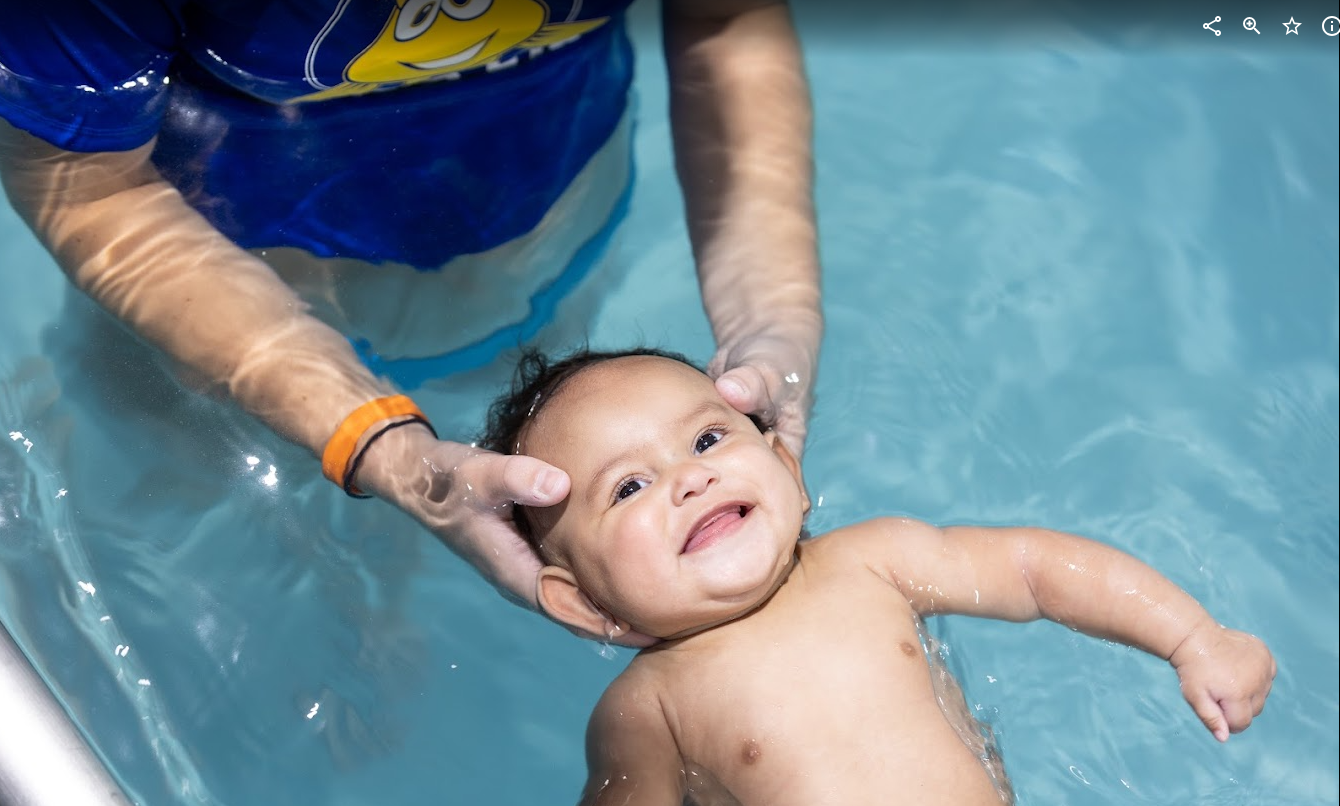
Muscle memory is one of the most important parts of becoming a confident swimmer. When children practice consistently, their brain forms neural pathways that allow skills to become automatic.
Floating, kicking, rolling, breath control all of these life-saving skills depend on repetition.
When children take long breaks from swimming, especially during winter, their muscle memory starts to fade. This means:
They may become hesitant in the water.
Skills take longer to relearn.
Confidence decreases.
Progress slows down.
On the other hand, children who swim regularly all year retain their skills, grow stronger, and continue to build safety habits that stay with them for life.
This is especially important for younger swimmers who are still mastering foundational movements.
2. Consistency Strengthens Confidence and Reduces Fear
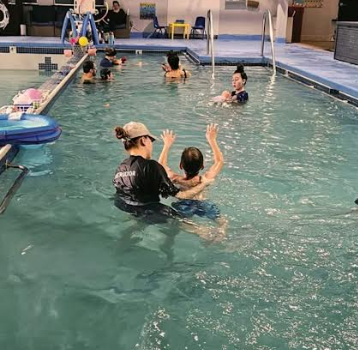
One of the biggest reasons parents choose Little Fins Swim School is because of our focus on building confidence in every swimmer.
When kids stop swimming and return months later, many experience:
Increased fear of the water.
Setbacks in skill progression.
Difficulty reconnecting with routines.
Slower transitions back into lessons.
Consistent lessons eliminate these issues.
Children thrive on routine.
Swimming weekly, even in the winter, helps them stay familiar with the water, stay excited about learning, and feel secure around their instructors. This consistency builds emotional resilience as well as physical skill.
3. Winter Swimming Supports Brain Development & Better Sleep

Parents are often surprised to learn that swimming offers incredible benefits for the brain — especially during winter, when children are more likely to feel restless, cooped up, or overstimulated by indoor routines.
Swimming helps:
Boost cognitive function.
Improve focus and attention.
Strengthen memory.
Reduce stress and anxiety.
Promote deeper, more restful sleep.
Swimming is a full-body activity that requires coordination, movement, breath control, and awareness. This combination stimulates both sides of the brain and supports healthy development.
For children with high energy, winter swimming becomes an outlet that helps them regulate their emotions and settle into bedtime more easily.
4. Physical Benefits: Strength, Immunity & Healthy Winter Activity
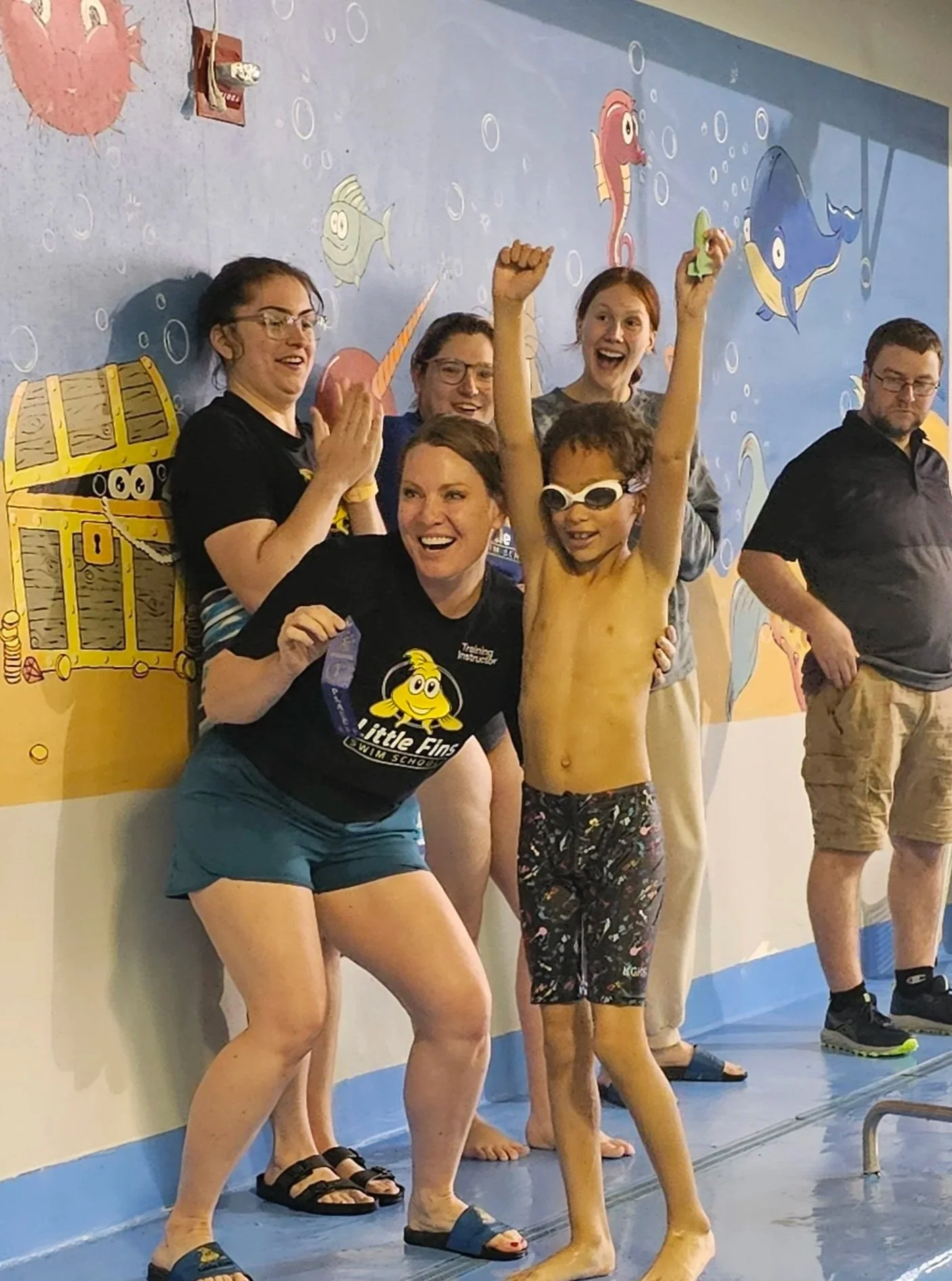
When Colorado winter hits, many outdoor activities slow down but kids still need movement for overall wellness.
Swimming provides:
Full-body exercise.
Cardiovascular strength.
Improved lung capacity.
Low-impact muscle building.
Better balance and coordination.
Many parents ask, “Will swimming in winter make my child sick?”
The answer is no. Swimming in a warm, humid indoor environment, like the 90° water and air temperature at Little Fins, can actually support your child’s respiratory health. Dry winter air often irritates sinuses and lungs, but warm, moist air helps open them.
Regular exercise is also shown to boost the immune system, making swimming a healthy winter choice.
5. Year-Round Lessons Keep Kids Prepared for Unexpected Water Emergencies
Most water accidents do not happen in the summer, and most do not happen when children are in swimsuits.
Winter brings unexpected risks:
Kids fall into icy ponds or creeks
Slippery edges around hot tubs and backyard pools
Holiday travel to hotels or relatives’ homes
Increased indoor pool visits during winter breaks
When children practice skills consistently, they stay prepared for real-life scenarios. Rolling to float, staying calm in the water, and knowing how to self-rescue become instinctive only through year-round repetition.
Water safety is not seasonal and neither is drowning prevention.
6. Colorado Weather Doesn’t Have to Stop Progress
Just because Colorado is cold doesn’t mean swimming stops. At Little Fins Swim School, our facilities are designed for winter comfort:
Warm, 94 °F water
Warm pool deck
Warm air temperatures
Clean, controlled environment
No wind, no snow, no weather interruptions
Families often find that winter is actually the best time for progress because children have fewer outdoor distractions and more focus during lessons.
7. Why Little Fins Swim School Is the Best Choice for Winter Swimming in Colorado
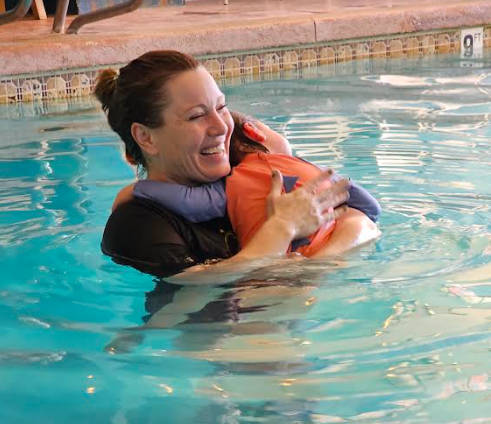
Little Fins isn’t just a swim school, it’s a place where children grow, develop, and thrive. Our specialized approach focuses on:
Personalized instruction for every swimmer
Proven water safety techniques
Confidence-building environments
Instructors trained to support children emotionally and physically
Programs designed specifically for year-round progression
Parents consistently tell us their children make the biggest improvements during winter.
Q: Is it safe for kids to swim in the winter?
Yes. Indoor, heated pools are safe and healthy environments for winter exercise.
Q: Why is it important to swim year-round?
Consistency builds muscle memory, confidence, and life-saving skills that cannot develop fully with long breaks.
Q: Does winter swimming help with child development?
Absolutely. Swimming supports brain development, sleep, coordination, focus, and emotional regulation.
Q: Will my child get sick from swimming in winter?
No. Swimming in warm indoor pools does not increase illness risk