As parents, we do everything we can to protect our children. We babyproof homes, research car seats, read labels, and prepare for milestones long before they arrive. Yet one of the most common and most underestimated risks children face is water exposure.
Bathtubs. Backyard pools. Hotel pools. Lakes. Splash pads. Even buckets.
Many parents ask the same thoughtful question:
“Can I prepare my child for swimming at home?”
The answer is yes, but with an important distinction.
At-home water exposure plays a valuable role in readiness.
Professional swim lessons, however, are what turn readiness into real safety.
Here’s how the two work together—and why lessons matter far more than most parents realize.
The Role of At-Home Water Exposure: Building Comfort and Trust
At home, parents can begin shaping how their child feels about water long before their first swim lesson.
Simple, intentional moments matter:
Calm, positive bath time experiences
Gently pouring water over the shoulders and hair
Encouraging bubbles and relaxed breathing
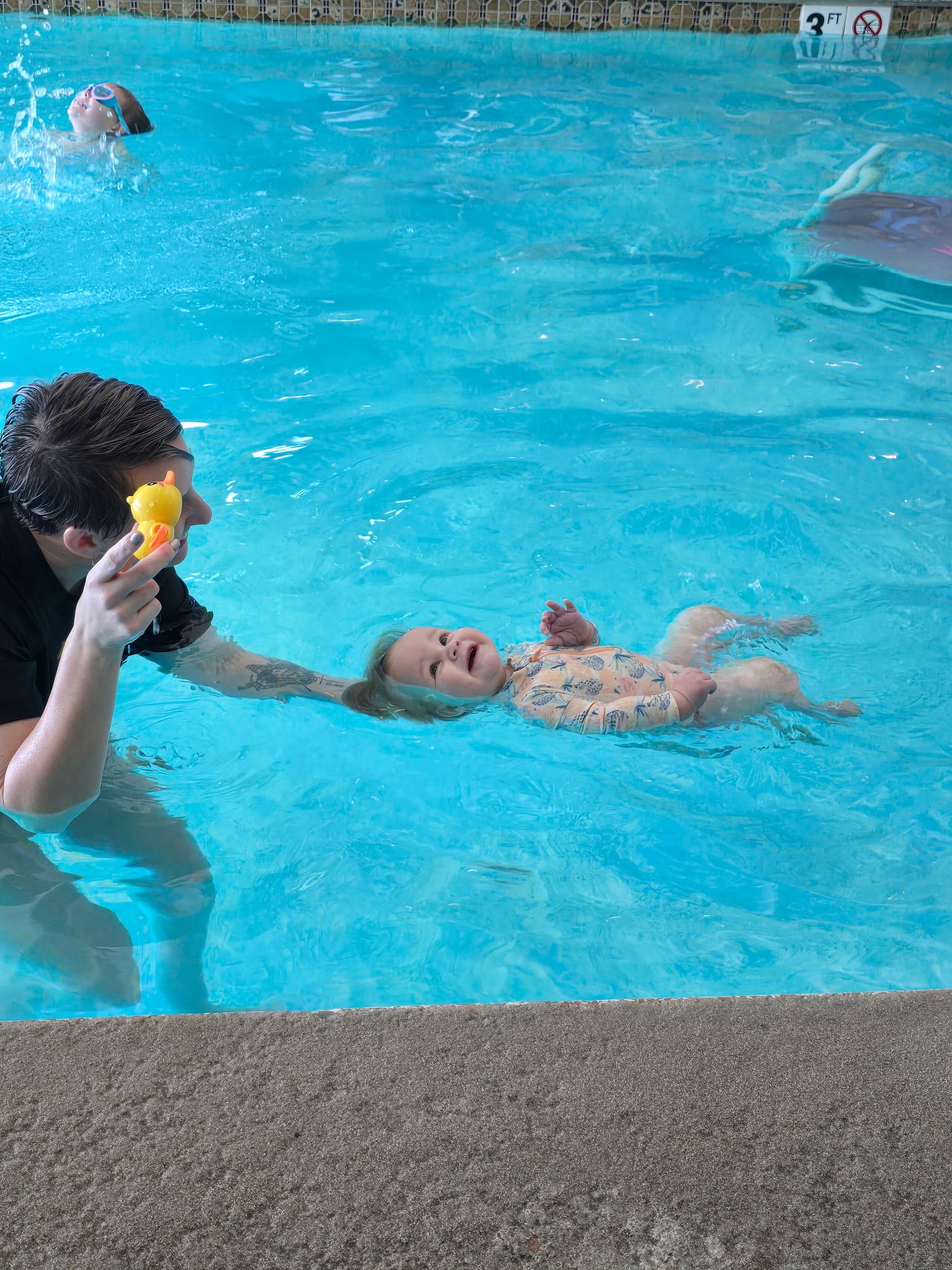
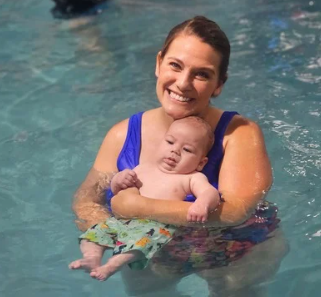
Holding infants securely while allowing them to feel buoyancy
Using warm tones, eye contact, and reassurance
These moments help infants and young children associate water with safety instead of fear. That emotional foundation is powerful. Children who feel secure around water often enter swim lessons more relaxed and open to learning.
But here’s the key truth many parents don’t hear enough:
Comfort is not the same as capability.
Why At-Home Practice Alone Is Not Enough
Even the most attentive parents cannot safely replicate what structured swim lessons provide. This is not a reflection of effort; it’s a matter of training, environment, and expertise.
1. Parents Can’t Teach What They’re Not Trained to See
Certified swim instructors are trained to observe subtle but critical factors, including:
Body alignment and balance in water
Breath control and timing
Developmental readiness for specific skills
Natural reflex responses under water
Signs of fatigue, stress, or sensory overload
These details directly impact how safely and effectively a child learns. Without professional guidance, important skill gaps can go unnoticed.
2. Structured Lessons Follow a Proven Progression
At-home water play tends to be unstructured and inconsistent. Swim lessons follow a deliberate progression designed to build skills in the safest order possible.
At Little Fins Swim School, lessons are intentionally structured to support:
Water confidence and emotional regulation
Independent movement and floating readiness
Breath awareness and control
Foundational self-rescue concepts
Long-term stroke development and endurance
This progression is what turns exposure into true water competence.
3. Early Swim Lessons Reduce Risk and Build Lifelong Skills
Studies consistently show that formal swim lessons significantly reduce the risk of drowning in young children. More importantly, lessons teach children how to respond when situations are unexpected—not just when everything goes as planned.
Water safety is not about perfection.
It’s about preparedness.
And preparedness comes from repetition, coaching, and guided practice in a controlled environment.
Why Infant and Child Swim Lessons Are More Effective When Started Early
The earlier children are introduced to structured lessons, the more natural water skills become.
For infants and young children:
Water confidence develops alongside motor skills
Breath control is learned before fear patterns form
Movement in water becomes intuitive rather than forced
Confidence grows as skills grow
Starting early doesn’t mean pushing children; it means meeting them where they are developmentally and building skills gradually, gently, and intentionally.
The Little Fins Swim School Difference
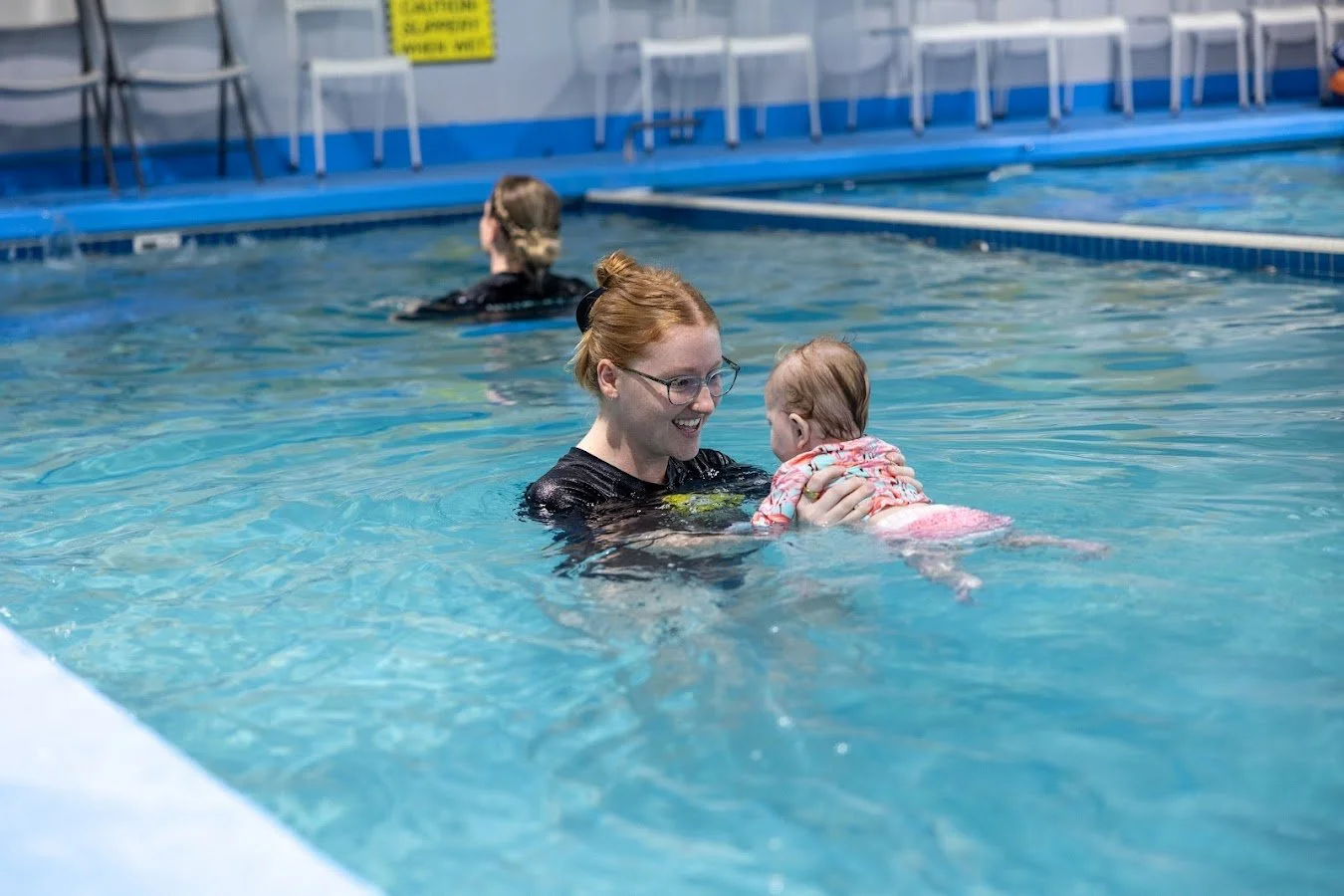
At Little Fins Swim School, we don’t believe in fear-based teaching or rushed progress. We believe in partnership, with parents and with each child.
Our approach is:
Gentle and developmentally appropriate
Focused on safety first, confidence second, and skills always
Designed to support infants, toddlers, and children at their own pace
Rooted in consistency, trust, and long-term success
We work with families to ensure children don’t just learn how to swim, but learn how to feel confident and capable in the water.
How Parents and Swim Lessons Work Best Together
The most successful swimmers have one thing in common: support both at home and in lessons.
Here’s how families see the strongest results:
Parents reinforce positive water experiences at home
Instructors provide structured, professional instruction
Children gain confidence through consistency
Skills develop faster and more safely.
Think of swim lessons as the framework and home practice as reinforcement.
Both matter.
But only one provides true water safety training.
Why This Matters More Than Ever
Water exposure is unavoidable. Avoidance is not a strategy.
Confidence, preparation, and skill development are.
Every lesson is an investment—not just in swimming ability, but in peace of mind. Parents don’t enroll because they want another activity on the calendar. They enroll because they want their child to be safe, capable, and confident.
Ready to Take the Next Step?
If you want your child to:
Build confidence in and around water
Learn foundational safety skills early
Develop lifelong swimming ability
Thrive in a supportive, professional environment
Schedule a complimentary swim evaluation at Littleton Swim School today.
Click HERE
We’ll meet your child where they are and help guide them toward where they can be.
Because water safety isn’t seasonal.
And confidence in the water lasts a lifetime.